



22 October 2024
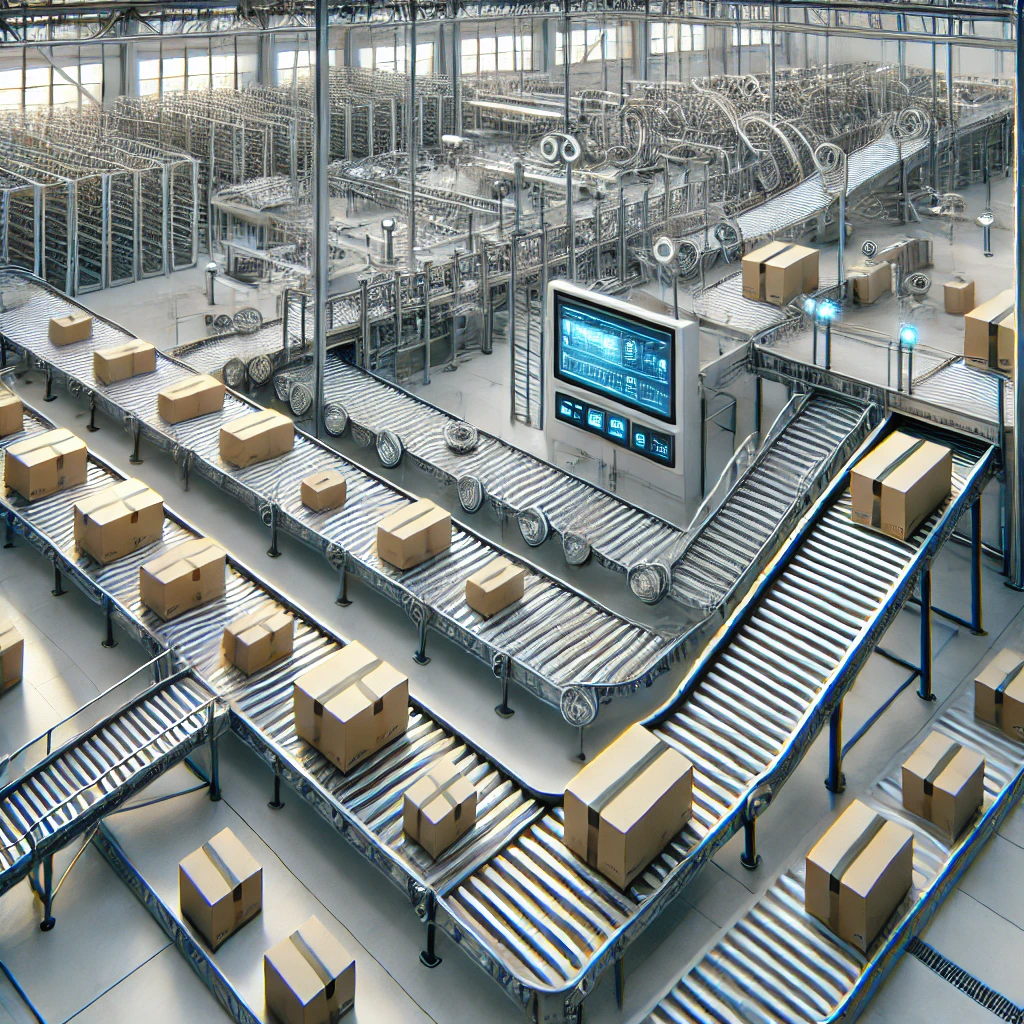
Sorter systems play a critical role in logistics and distribution processes, offering speed, accuracy, and labor savings. But how do sorter systems work? Understanding the operation of these systems is essential to see how logistics operations are made more efficient.
Sorter systems are typically composed of multiple conveyor belts combined with various supporting mechanisms. The operation consists of the following steps:
Product Entry Stage: Products are loaded onto the sorter system either via a conveyor belt or manually. These products can be boxes, packages, or other transportable items.
Product Recognition: The system usually recognizes products using barcode readers or RFID technologies. At this stage, the destination of the product is determined.
Routing: Based on the identified product, the sorter system directs the items to specific channels or stations. This routing varies depending on the type of sorter system:
Final Destination: The product is routed to the correct target based on the codes recognized by the sorter system and is ready for collection or distribution.
Companies like Barkosort offer sorter solutions developed with entirely local software and hardware. By manufacturing 100% domestic metal components in their own factories, they eliminate reliance on external sources and offer more cost-effective solutions to customers through the advantages of local production. Additionally, they develop customized sorter systems tailored to different needs through client-specific projects.
In conclusion, sorter systems automate logistics processes, providing significant advantages in terms of speed, accuracy, and efficiency. Local companies like Barkosort contribute to the industry by offering these solutions with domestic resources, eliminating dependency on external suppliers.